Cattle Farming
Dairy cattle: For milk and dairy products.
Beef cattle: For meat (beef).
By-products: hides, manure, and draft power.
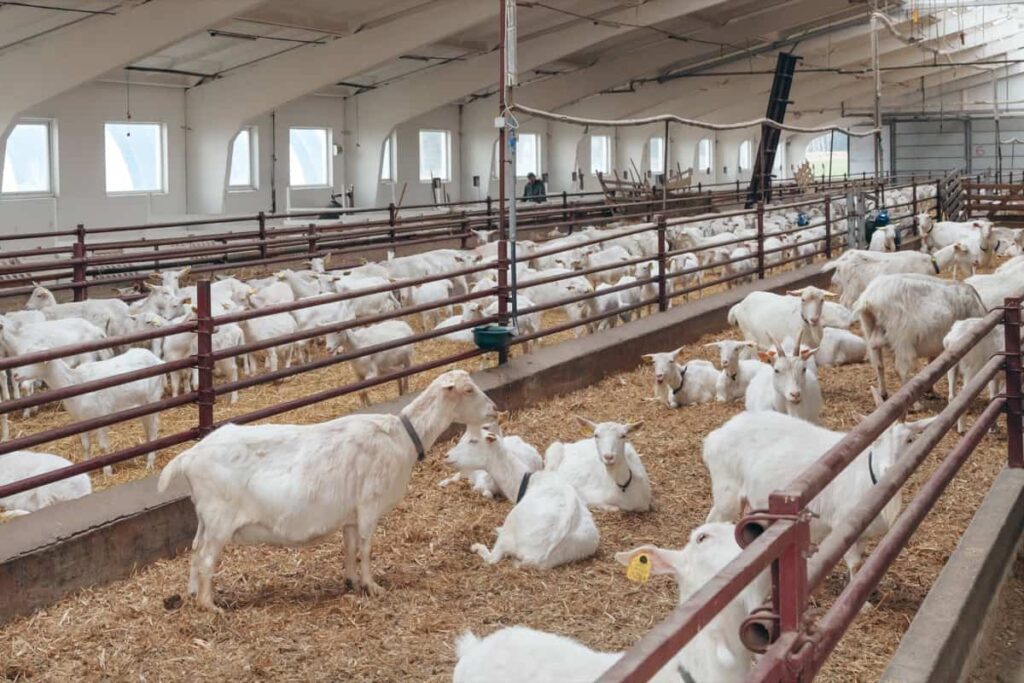
Goat Farming
Meat (chevon), milk, skins, and fiber.
Hardy animals suitable for different climates.
Sheep Farming
Meat (mutton/lamb), milk, wool, and skins.
Pig Farming
Raised mainly for pork and lard.
Fast-growing and efficient feed converters.
Poultry Farming (special branch)
Chickens, turkeys, ducks, quails, guinea fowls.
For meat and eggs.
Other Livestock
Camels – milk, meat, transport (in dry regions).
Rabbits – meat and fur.
Donkeys/Horses – transport, labor, sometimes meat and milk.
Housing/Shelter: Protection from weather, predators, and diseases.
Feeding/Nutrition: Balanced diets with energy, protein, vitamins, and minerals.
Breeding & Selection: Improved breeds for higher productivity.
Health Management: Vaccination, deworming, veterinary care, and biosecurity.
Water Supply: Clean and sufficient water for drinking and hygiene.
Provides meat, milk, eggs, wool, leather, and manure.
Source of income and rural employment.
Draft power (oxen, donkeys, horses) in traditional farming.
Enhances food security and nutrition.
By-products used in industries (fertilizers, pharmaceuticals, cosmetics).
High feed costs.
Diseases and pests (e.g., Foot and Mouth Disease, African Swine Fever).
Poor breeds with low productivity.
Climate change affecting grazing and water.
Market price fluctuations.
WILFAUST WILFAUST VENTURES provides services from General Agriculture, Agribusiness( [click to read more]